

Nike-Ology
The study of the Nike brand

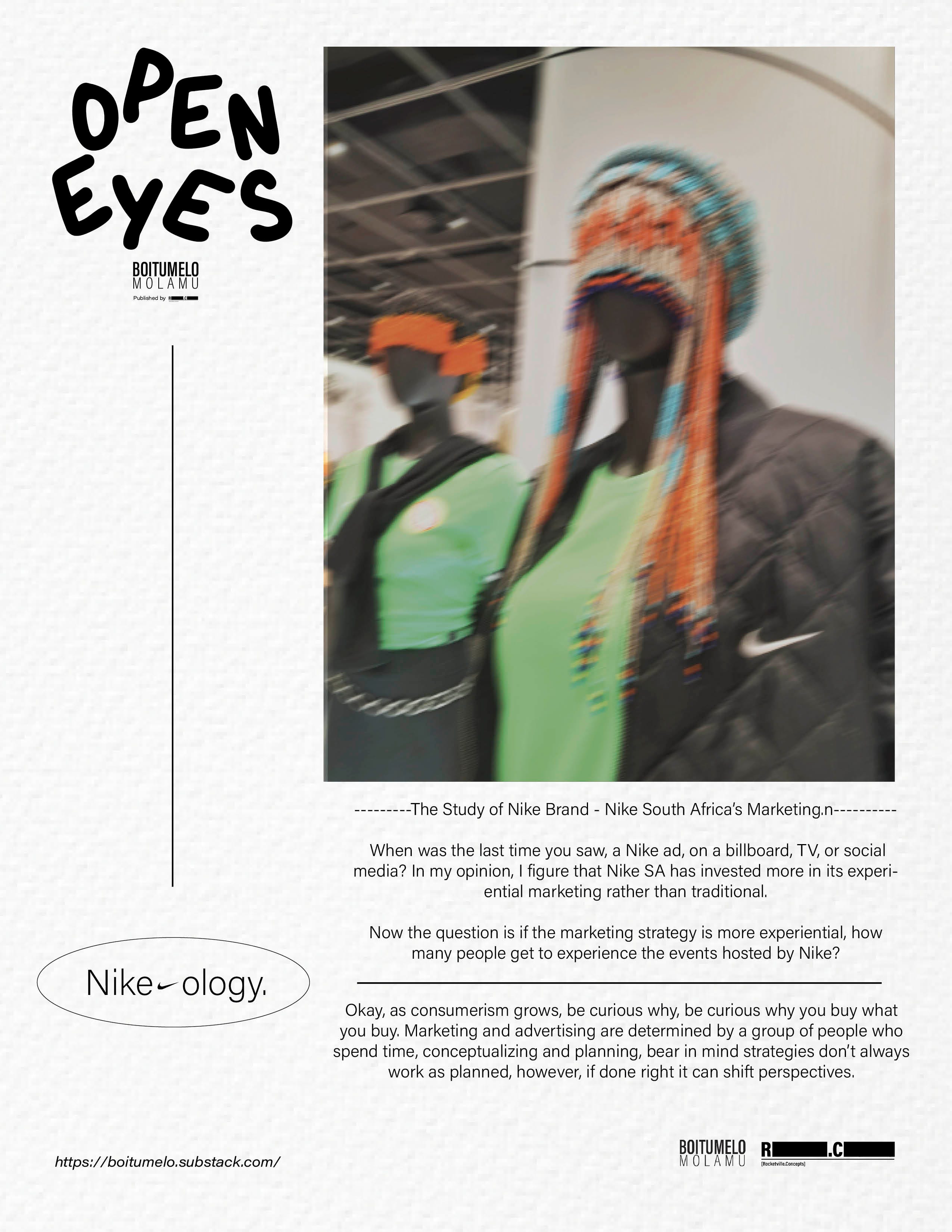
[ Bear in mind what you are about to read is based on observation, personal research, and opinion, and not necessarily fact. I tried reaching out to a few people in the Nike South Africa marketing, however, non was authorized to give any comment.]
It goes without question that Nike has most of us in a choke hold, it's absurd to think that a brand, can have such as overwhelming hold on the personalities of generations, so much so that no matter how many L's they hold on the SNKRS app, they will continue to have hope and attempts to purchase another limited release drop, just to catch another L again.
Part of a brand's ability to captivate at such magnitude can be credited to its marketing, a trait Nike has been a master of since their partnership with marketing and advertising agency Wieden+Kennedy in 1997. The brand has since expanded to have an internal Marketing team and also collaborate with other agencies around the world, however, Wieden+Kennedy still holds most of the brand's advertising accounts internationally, in multiple sectors, from football, running, basketball, and sportswear (lifestyle).
While Nike does have a major presence in South Africa, it's close to impossible to connect it to any traditional marketing tactic, while competitor brands run consistent TV ads, outdoor advertising (billboards), influencer seeding, and major activations, Nike SA has had their marketing and advertising a bit more nonchalant. Their outdoor advertising seems to be reserved for their sports sector, and never consistently, hardly any TV ad runs, and either little visibility to almost no influencer marketing, especially for their Nike Sportswear (lifestyle).
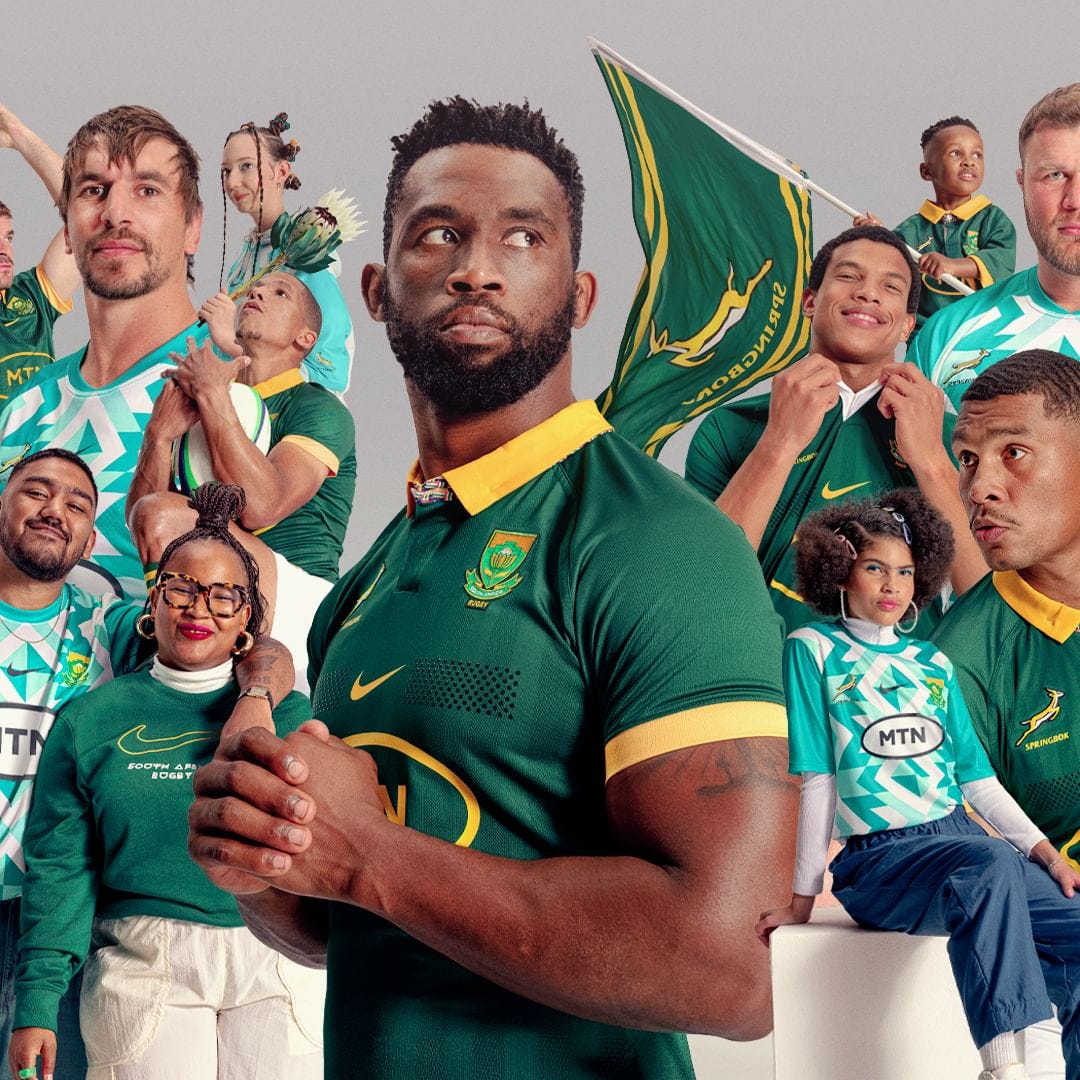
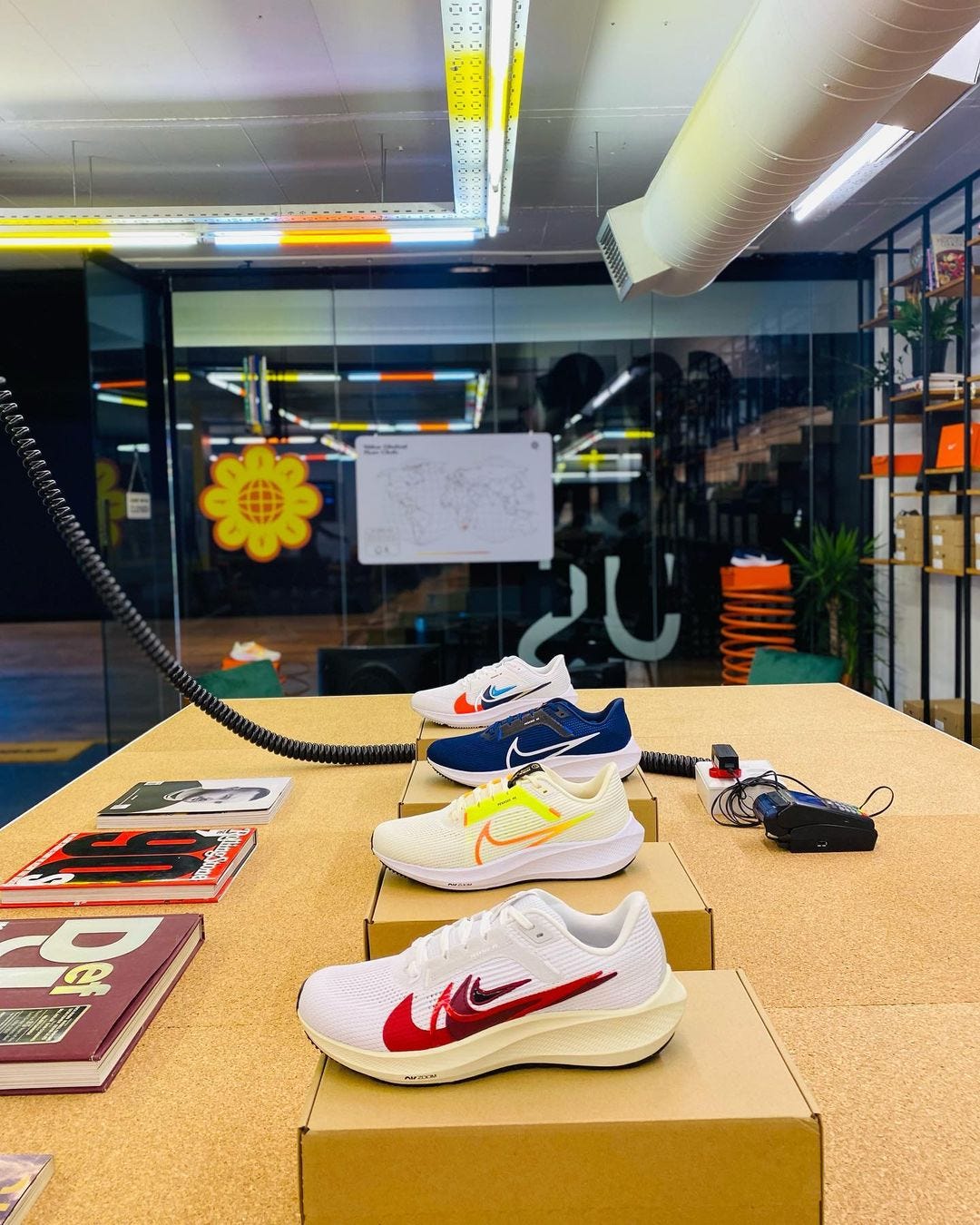
Contrary to what I've mentioned above the brand's Sports side marketing is a bit more apparent, this can be credited to ambassadors like Caster Semenya, and gear partnership with the Springbok, however, truth be told the brand's marketing strategy for sportswear (lifestyle) side is nonchalant. The brand's strategy seems to have less focus on traditional marketing and more on experiential, this includes having branded event and retail experience activations rather than outdoor nor TV, while the strategy can be genius, especially for getting consumers to not only just interact with the brand but also experience it in it's truest form, the pet peeve I'm struggling with, is how limited the experiences are to the people, more specifically the general public. For example, when Nike South Africa introduced the Nike Pegasus in May 2023, they had a pop-up experiential space in Rosebank at Keys Art Mile, that formed part of the roll-out and guess what, most people were not aware of this, and that is because there was little to no marketing, PR, or media push of the space, it seemed to be an 'if you know, you know', which was unfortunate because when I visited the space, I thought to myself "how much of an experience this is and how people will go crazy for this space".
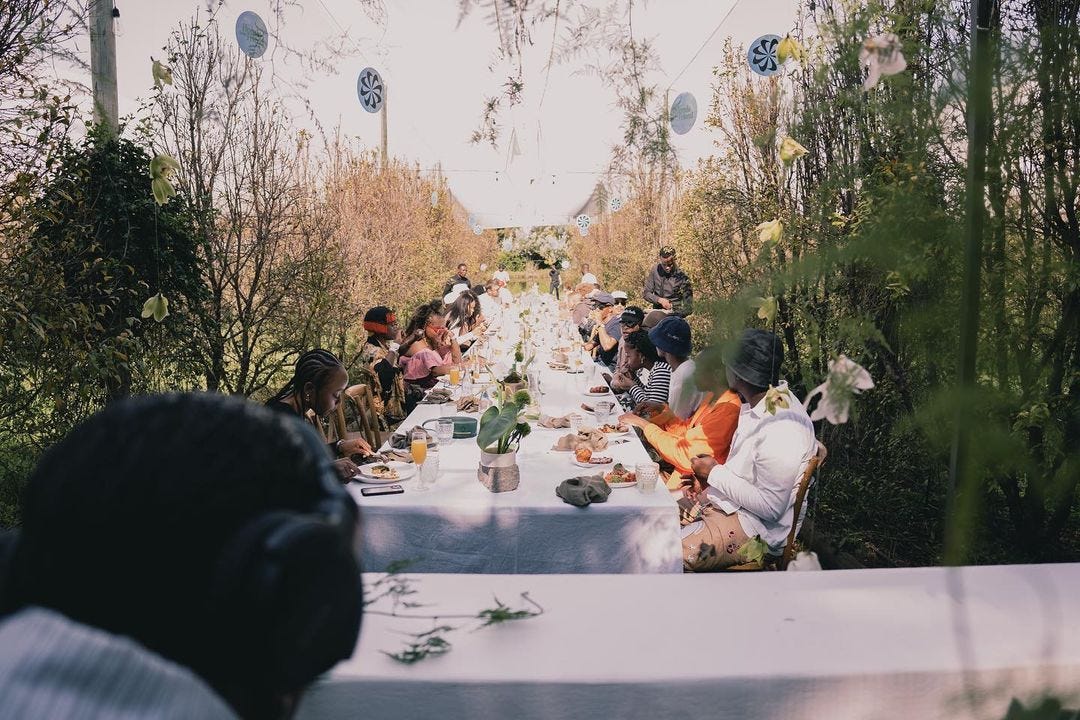
In my observation most of Nike South Africa's experiences are reserved for those 'who know', and usually those are the people who have access to people who either work at Nike or partners who collaborate with the brand, a clear example of this was their Move to Zero brunch in collaboration with Homie. Lover. Friend & Unknown Projects As much as there was an RSVP link available to the public, there was limited seating, which mostly seemed to be reserved for those who are friends of the brand and have been to other events of the brand... At some point, it dawned on me, that Nike's experiences being for "those who know" could be part of their 'influencer' marketing strategy. However, that also came with questions, if their strategy seems to be less of marketing to the public at large and more on the niche circle of the 'if you know, you know', is it enough to have the brand still be relevant for many more years to come, especially when competitor brands like Puma and Adidas seem to be investing heavily in their local marketing and advertising, are South African people, just consuming Nike based on idolization, built on international advertising rather than local, the influencers hardly post moments at the events, so who exactly is the marketing directed to? (I know, too many questions).
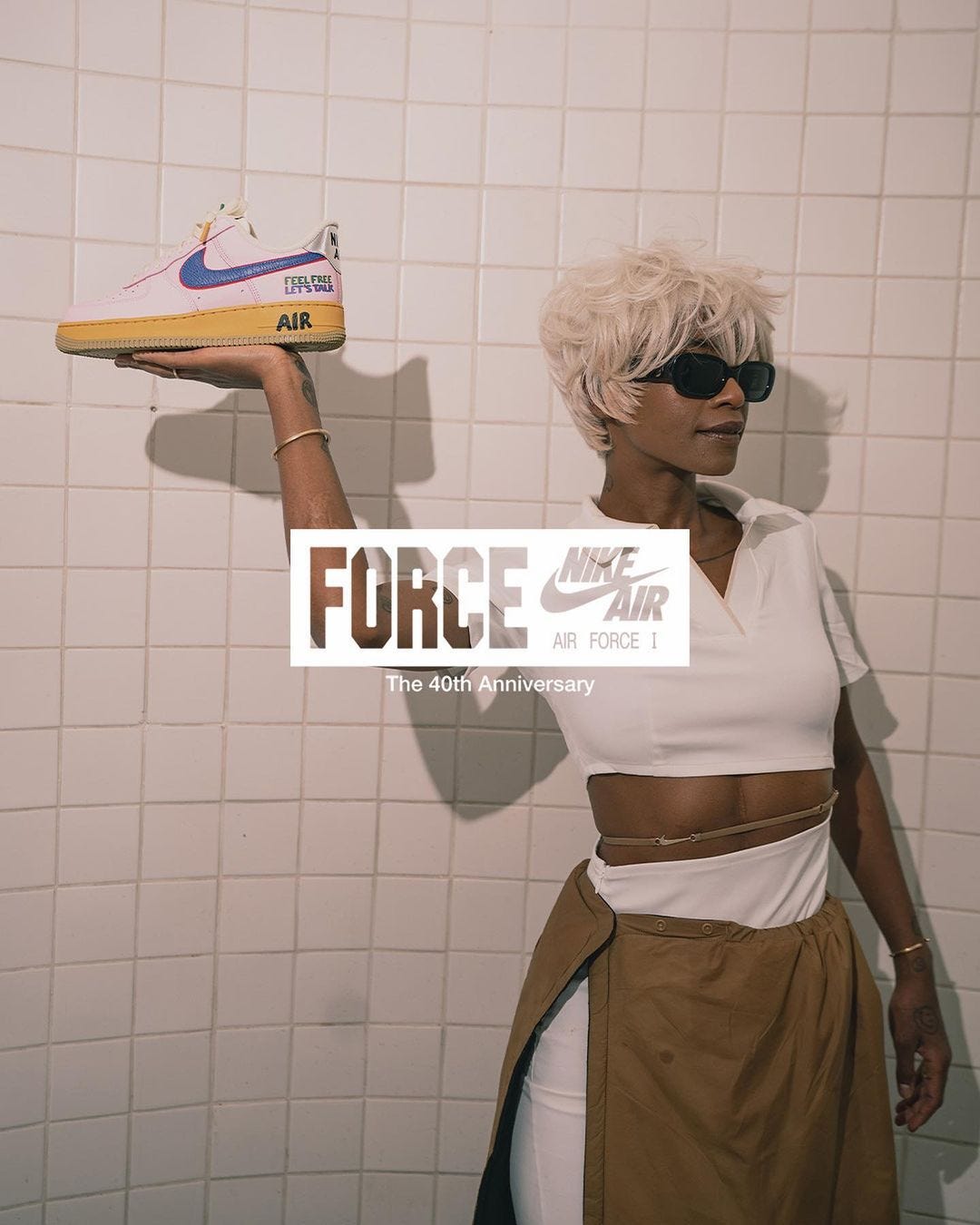
After everything I've mentioned above, I can say that the brand has opened up its marketing wider, collaborating with brands/partners who have enough of an audience to act as a marketing pull. A great example of this was their Air Max Day celebration run, Nike South Africa, collaborated with several event brands, like Beats By Her, & Back Yard Group in Johannesburg, to curate sonic experiences around the Day, and also collaborated with retailers like Archive in Cape Town on in-store editorials, and the Air Max One big bubble launch experience with Sportscene. Collaborating with the four brands mentioned, I think holds a lot of merits for the brand's marketing. It seems Nike's brand visibility is more apparent when collaborating with others rather than then them going at it alone, for example, in their Joint Forces exhibition, celebrating 40 years of the Air Force One, Hosted in Melvil Johannesburg, the exhibition was curated by Mamakashaka, lead by Nandi Dulpe, this is the marketing and events agency behind most of Nike SA events, the Join Forces exhibition centered around the faces of Wanda Lephoto, Anthile Bila, and DBN GOGO, who all three are long-time collaborators of the brand, and also hold significant influence in their niche and creative culture at large. Compared to the Pegaus Pop-Up, Join Forces had more social media presence and a bit of media coverage, due to these partnerships.
I could go further into detail, about Nike's marketing, especially post-covid, the brand has done a lot, and yet it's hard to find much media or trace of their sportswear focus work. However, I can credit the brand, for still holding relevance and constantly being in conversations despite how nonchalant their marketing can come across. We can never take away or minimize the work done by the people part of the team such as Ningi Mhinga who is the Consumer Marketing Direct Lead, Cheslyn Meyer, who oversees the brand's relationship & energy marketing, and Martin Letsholo who oversees the brand's consumer direct & experiential marketing.
Bear in mind that all this is based on observation, personal research, and opinion, and not necessarily fact, I tried reaching out to a few people in the marketing, however, non was authorized give any comment.